
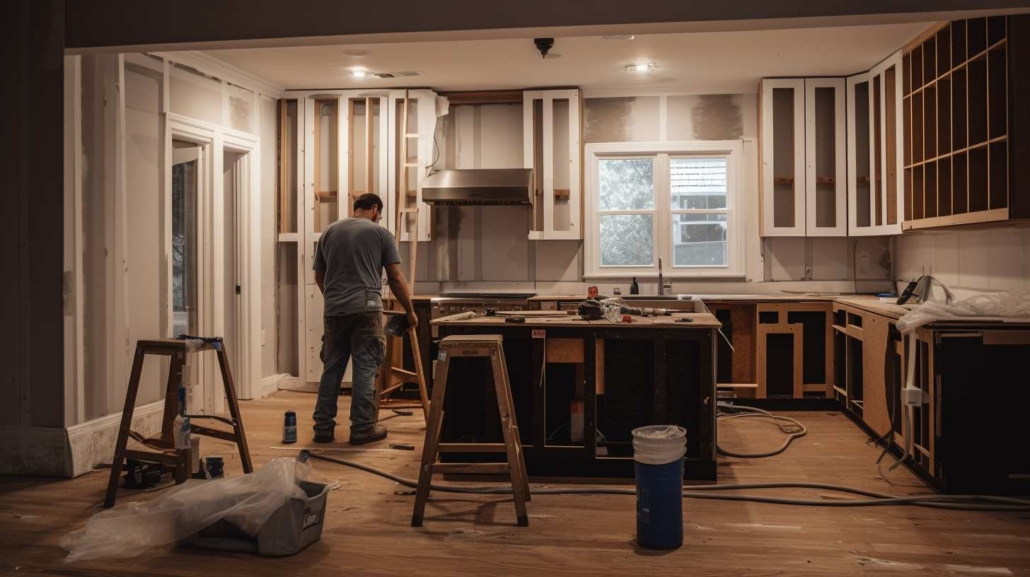
How to Plan a Whole Home Remodel Without Going Over Budget
A whole-home renovation can become expensive quickly when homeowners start adding upgrades without a clear plan, defined scope, or realistic budget. One room leads to another, material selections change, and unexpected construction expenses can push the project far beyond the original estimate. Effective whole home remodel planning helps homeowners stay organized while making informed decisions about where their money should go. A successful renovation starts by establishing priorities, setting a realistic remodeling budget, defining the project scope, planning the renovation sequence, selecting materials carefully, and choosing an experienced remodeling professional. With the right approach, homeowners can create a more functional and updated home without allowing unnecessary costs to take control of the project.

1. Define Your Remodeling Goals and Priorities
Before discussing materials or contacting a contractor, homeowners should determine exactly what they want the renovation to accomplish. Clear home renovation goals provide a foundation for every decision that follows.
Consider whether the project is primarily about improving function, updating outdated rooms, increasing energy efficiency, creating more usable space, or preparing the property for future resale.
It also helps to separate must-have upgrades from features that would simply be nice to have. For example, repairing an aging electrical system may be more important than upgrading decorative finishes.
Homeowners should identify:
- Rooms that require immediate attention
- Functional problems that affect everyday living
- Energy efficiency improvements
- Space and storage requirements
- Potential resale considerations
- Essential upgrades versus cosmetic improvements
A clearly defined project scope prevents the renovation from expanding unnecessarily once construction begins.
2. Create a Realistic Whole Home Remodeling Budget
A detailed remodeling budget should be established before construction starts. Rather than choosing a number based on guesswork, homeowners should consider the full range of potential renovation costs.
The budget should account for:
- Labor costs
- Materials and fixtures
- Demolition and disposal
- Plumbing and electrical work
- Permit-related expenses
- Installation costs
- Design or planning needs
- Unexpected construction expenses
It is also wise to establish a contingency budget for issues that may not become visible until demolition begins. Older homes can contain hidden conditions involving wiring, plumbing, moisture, or structural components.
Homeowners should also avoid choosing a contractor based solely on the lowest project estimate. A very low bid may exclude important work, use different materials, or leave out costs that appear later as additional charges.
The goal should be the best combination of quality, scope, transparency, and value rather than simply the smallest price.
3. Decide Which Remodeling Projects Should Come First
A whole-home renovation works better when improvements follow a logical sequence. Homeowners should prioritize projects according to condition, safety, and long-term importance rather than cosmetic appeal.
A practical renovation sequence is:
- Structural or safety concerns
- Plumbing and electrical systems
- Water intrusion or moisture problems
- Major layout or structural changes
- Kitchen remodeling and bathroom remodeling
- Flooring installation, painting, and cosmetic improvements
Addressing hidden or foundational problems first reduces the risk of installing new finishes only to remove them later because an underlying issue was discovered.
This approach also makes the home improvement project easier to coordinate and helps contractors organize different phases of construction.
4. Choose Materials That Balance Cost and Quality
Material selection can have a major impact on both project costs and long-term satisfaction. Choosing the cheapest product in every category may reduce the initial investment but can create durability or maintenance concerns later.
Homeowners should compare quality, lifespan, appearance, maintenance requirements, and installation costs when selecting:
- Flooring materials
- Cabinets and cabinetry
- Countertops
- Tile and backsplash materials
- Windows and doors
- Plumbing fixtures
- Lighting
Durable finishes are particularly important in areas exposed to moisture or heavy daily use. A quality flooring product, for example, may provide better long-term value than a low-cost option that needs replacement sooner.
Premium materials do not have to be used everywhere. A balanced approach can place higher-quality materials in high-use areas while using cost-effective alternatives where appropriate.
5. Plan the Renovation Timeline Before Construction Begins
An organized renovation timeline can help prevent avoidable delays and additional expenses. Homeowners should understand how the major remodeling phases fit together before work begins.
The schedule may depend on:
- Project phases and dependencies
- Material lead times
- Contractor availability
- Permit and inspection requirements
- Delivery schedules
- Coordination between multiple trades
Poor project coordination can cause one delayed task to affect several others. For example, late materials can delay installation, which can then affect flooring, painting, cabinetry, or completion.
Creating a realistic construction schedule allows the homeowner and contractor to identify potential scheduling problems before they disrupt the project.
6. Decide Whether You Need a General Contractor
A whole-home renovation can involve several specialized trades, making professional coordination particularly valuable. A general contractor can help organize the different stages of the project and coordinate contractors working on various parts of the home.
Depending on the scope, a renovation may involve:
- Plumbing
- Electrical work
- Flooring
- Painting
- Windows and doors
- Kitchen remodeling
- Bathroom remodeling
An experienced residential remodeling contractor can help homeowners manage these moving parts instead of requiring the homeowner to coordinate each trade independently.
Professional construction management can also help keep the work aligned with the agreed scope, schedule, materials, and budget.
For a larger whole-house remodeling project, contractor coordination can be especially useful because multiple improvements may need to happen in a specific order.
7. Get Detailed Estimates and Compare the Scope
Before hiring a remodeling contractor, homeowners should obtain detailed written proposals from qualified professionals.
A useful itemized estimate should explain what is included rather than presenting only one total number. Compare proposals based on the same scope whenever possible.
Look for details covering:
- Labor
- Materials
- Demolition
- Installation
- Project scope
- Estimated timeline
- Potential additional costs
This creates a more accurate apples-to-apples comparison between contractors.
Homeowners should also ask how changes will be handled if the project develops unexpected conditions or the homeowner wants to modify the original plan.
A transparent remodeling quote and clearly documented scope of work can reduce misunderstandings and make the financial side of the renovation easier to manage.
8. Avoid Common Budget Mistakes During a Whole Home Remodel
Even a well-planned renovation can go over budget when homeowners make repeated changes during construction.
Common mistakes include:
- Changing the design repeatedly
- Selecting materials at the last minute
- Underestimating labor costs
- Ignoring aging plumbing or electrical systems
- Starting too many projects simultaneously
- Choosing a contractor based only on price
- Failing to document project changes
One of the best ways to control home remodeling costs is to finalize major decisions early. Last-minute changes can affect labor, materials, scheduling, and other parts of the project.
Homeowners should also communicate changes clearly and understand whether they will affect the original estimate.
9. Leave Room for Unexpected Remodeling Costs
Even experienced contractors cannot see everything inside an existing property before demolition.
Once walls, floors, ceilings, or cabinets are removed, construction may reveal:
- Water damage
- Outdated wiring
- Plumbing deterioration
- Structural problems
- Subfloor damage
This does not mean every older property will experience major surprises. It simply means homeowners should avoid allocating every dollar of their budget to planned finishes.
A reasonable contingency reserve provides flexibility when unexpected conditions require additional work.
How Johnny Ray Construction Can Help With Your Remodeling Project
For homeowners planning residential remodeling in Irvine and nearby communities, choosing a company with experience across multiple renovation services can make project coordination easier.
Johnny Ray Construction provides Residential Remodeling, General Contracting, Kitchen and Bathroom Remodeling, Flooring Services, Painting Services, and Windows and Doors services. The company serves Irvine, Rancho Santa Margarita, Mission Viejo, Lake Forest, and Trabuco Canyon in California.
Whether the project involves several rooms or a full-home renovation, homeowners can discuss their renovation goals, priorities, and scope with the team.
Explore Residential Remodeling Services
Frequently Asked Questions
How much should I budget for a whole home remodel?
There is no universal renovation price because costs depend on the home’s size, project scope, materials, labor, structural changes, and existing conditions. A detailed project estimate is more useful than relying on a general industry figure.
What should I remodel first?
Safety, structural, plumbing, electrical, and moisture-related problems should generally receive priority. Once critical issues are addressed, homeowners can move into major layout improvements and then cosmetic upgrades such as flooring, painting, and finishes.
How can I prevent a home remodeling budget from getting out of control?
Start with a defined scope, establish priorities, compare detailed estimates, select materials early, maintain a contingency fund, and avoid unnecessary design changes after construction begins.
Should I hire a general contractor for a whole home remodel?
A general contractor can be particularly valuable when a project involves several trades and multiple remodeling phases. Professional coordination can help organize scheduling, installation, materials, and communication across the project.
Conclusion
A successful whole-home remodel starts with planning, not demolition. Whole home remodel planning gives homeowners a practical framework for defining goals, creating a realistic budget, prioritizing improvements, selecting durable materials, establishing a renovation timeline, and comparing qualified contractors. Careful preparation can reduce unnecessary expenses while keeping the project focused on the improvements that matter most.
For homeowners in Irvine, Rancho Santa Margarita, Mission Viejo, Lake Forest, and Trabuco Canyon, Johnny Ray Construction offers residential remodeling and general contracting services to help bring renovation plans together. Contact Johnny Ray Construction at (714) 612-1674 to discuss a remodeling project and take the next step toward a better-planned home renovation.

Leave a Reply
Want to join the discussion?Feel free to contribute!